
Loading...
Serving Lakewood, CA and surrounding areas. (562) 581-8957
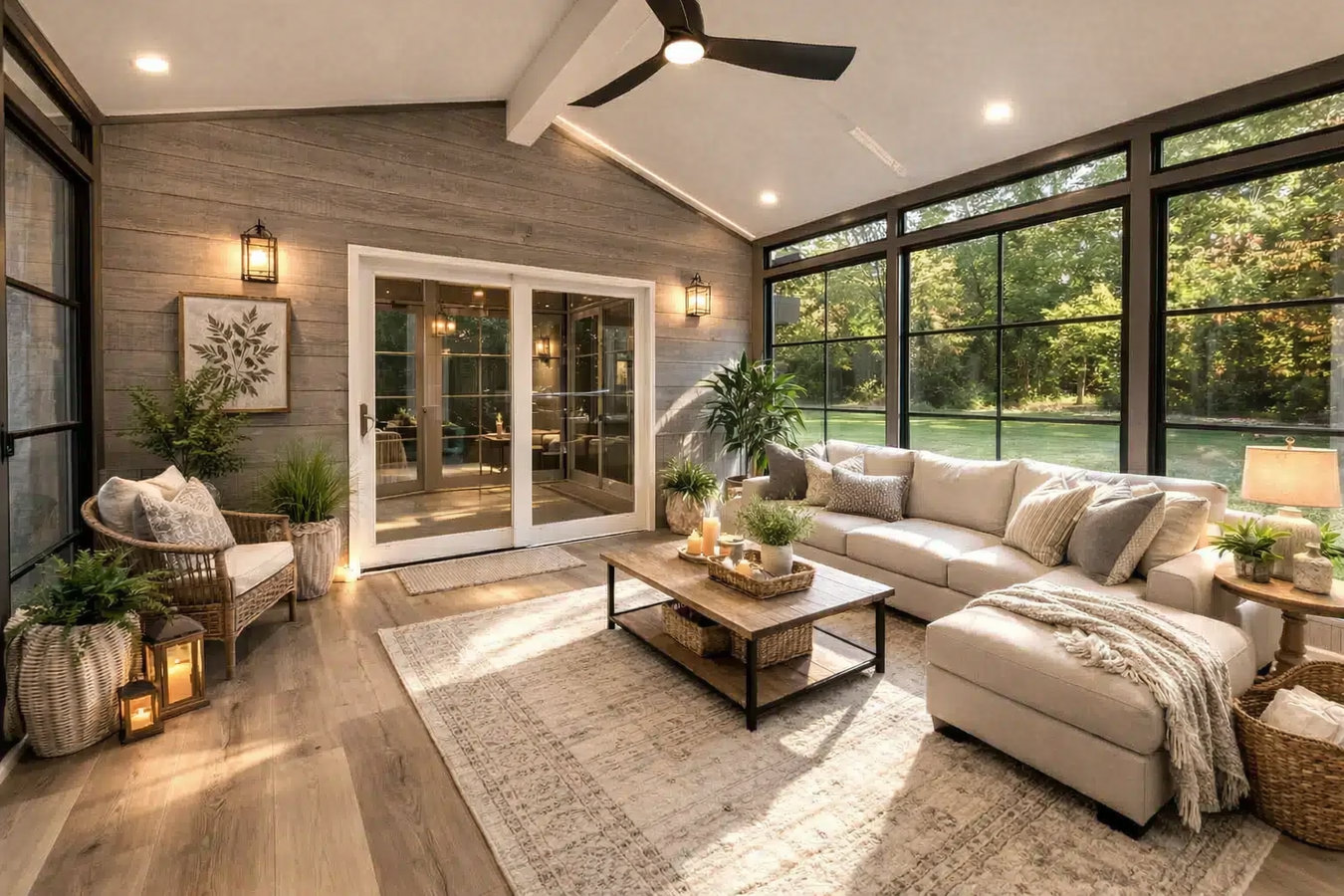
Vinyl sunrooms hold up in Lakewood's coastal air without rusting or fading. We build them with heat-blocking glass that keeps the room comfortable even in July, and we handle the City of Lakewood permit process from start to finish.
Vinyl sunrooms in Lakewood, CA are fully enclosed room additions built with a vinyl frame - a material that does not rust, rot, or need painting - most installations take one to two weeks of active construction once the city permit is approved, which typically adds two to six weeks before the crew can start.
Vinyl works well in Lakewood for a straightforward reason: the city sits close enough to the coast that salt air and marine layer moisture affect metal over time. Aluminum and vinyl both hold up far better than bare steel in this environment, and vinyl requires the least ongoing maintenance of the two. A vinyl sunroom built in 2025 should look essentially the same in 2040 with nothing more than occasional soap-and-water cleaning. Homeowners who are still weighing design choices before committing to a material can also look at the full range of sunroom addition options to understand how vinyl compares to other framing approaches.
The glass you choose matters as much as the frame material. A vinyl sunroom with standard glazing can become uncomfortably hot by June in Lakewood. A room built with low-emissivity glass stays noticeably cooler and reduces glare without blocking the natural light that makes a sunroom worth having in the first place. We include a glass consultation in every estimate - it is not an upsell, it is a basic part of building a room that works for this climate.
If your patio or backyard becomes too hot to use for nearly half the year, you are losing real value from your property. A vinyl sunroom with the right heat-blocking glass gives that space back - shaded, ventilated, and comfortable even when the temperature climbs into the 90s. If you have stopped using your back patio in the afternoon, that is a clear sign a sunroom could change how you use your home.
Lakewood homes built in the 1950s and 1960s tend to run between 1,000 and 1,400 square feet - tight by today's standards. A vinyl sunroom addition adds a real, usable room at a fraction of the cost of a full interior addition. It is one of the most practical ways to get the space your household needs without the disruption of moving or a major interior remodel.
If you have a level, crack-free concrete slab that is not being used for much, you may already have the foundation a vinyl sunroom needs. A contractor can assess whether your slab meets the requirements - and if it does, you save a meaningful amount on foundation costs. Walk out and look: if the slab is solid and even, it is worth asking about.
Southern California's intense afternoon sun scorches many plants in open beds. A vinyl sunroom creates a protected environment with filtered light that is ideal for year-round gardening. If you have struggled to keep plants alive on an exposed patio, a sunroom gives you a controlled space where conditions actually work in your favor.
We offer vinyl sunrooms in both three-season and four-season configurations, and we build both from the ground up rather than from a prefabricated kit dropped on a truck. The difference matters in Lakewood where soil conditions vary by block and where older slab foundations need individual assessment rather than a one-size approach. Our three-season rooms are insulated enough for Lakewood's mild winters and include ventilation options that make them comfortable spring through fall and into winter. For homeowners who want a room that works in July - when temperatures push into the 90s - we recommend the four-season setup with climate-controlled insulated glass units. Three-season sunrooms are a good starting point for homeowners who want to keep costs lower and are comfortable with the trade-off on summer comfort.
Every vinyl sunroom we build includes a foundation assessment, heat-blocking glass options, and full permit management. Optional features include ceiling fans, recessed lighting, and sliding glass doors connecting to the main house. The National Association of Home Builders at nahb.org publishes current standards for sunroom construction that guide the framing and attachment specifications we follow on every project.
Best for Lakewood homeowners who want year-round use except in peak summer heat - lower cost, with ventilation designed for mild Southern California winters.
Best for homeowners who want the room comfortable from January through August, with insulated walls, low-e glass, and a connection to the home's heating and cooling system.
Best for homes with a sound, level concrete patio slab that can be assessed and used as the foundation - reducing foundation costs when conditions allow.
Best for homes where no slab exists or where the existing concrete has cracked, settled, or shifted - a new foundation sized for Lakewood's clay soil conditions.
Lakewood's housing stock is mostly 1950s and 1960s ranch-style homes on small lots. These homes were built compact and efficient, and many families have stayed in them for decades - which means the demand for livable space that does not require moving is real and steady here. Vinyl sunrooms fit this housing type well: the installation footprint is modest, the room attaches cleanly to the existing exterior wall, and vinyl framing matches the low-maintenance mindset of a homeowner who already has enough to keep up. The clay soils common under Lakewood properties are a reason to work with a contractor who has done foundation work here before - soil that shifts seasonally puts stress on a foundation that is not designed for those conditions. Homeowners in Carson deal with similar soil and climate conditions, and we carry the same foundation standards there.
Lakewood's proximity to the coast - roughly eight miles from the Pacific - keeps winters mild and makes a three-season vinyl sunroom genuinely usable ten or eleven months of the year. The marine layer also means salt air is a factor in material longevity. Vinyl handles this well; it does not corrode the way untreated metal does. Homeowners in Cerritos - further inland and with different soil conditions - often find a four-season setup makes more sense given slightly hotter summers and cooler winters, and we adjust our recommendations accordingly.
You call or fill out the contact form, and we schedule a visit to your home - usually within a few days. This first conversation is about your yard, how you plan to use the space, and what size and style makes sense. We reply within one business day.
We come to your Lakewood home, measure the space, and look at your existing slab if you have one. We walk through glass options, foundation approach, and total cost - including permits. You get a written proposal that breaks down every line item before you sign anything.
Once you approve the design and sign the contract, we submit the plans to the City of Lakewood Building and Safety Division for review. This step typically takes two to six weeks. We handle all the paperwork - you do not need to call the city or visit any office.
The crew starts with the foundation, then assembles the vinyl frame and installs glass panels and the wall connection. A city inspector confirms the work meets the approved plans. After the inspection passes, we do a final walkthrough together - every door and window operating smoothly, all seams tight, and all permit documents in your hands.
We come to your home, look at your space, and give you a written estimate with no obligation to move forward. One call gets the process started.
(562) 581-8957The glass in a vinyl sunroom does most of the work of keeping the room comfortable. We recommend and install low-emissivity glass suited for the heat load in Lakewood - not whatever comes standard in a prefab kit. A room built with the wrong glass is uncomfortable for a third of the year; one built with the right glass gets used every day.
Much of Lakewood sits on clay-heavy soil that expands when wet and shrinks when dry. A foundation that is not designed for these conditions can crack or settle within a few years. We assess your specific soil conditions and size the foundation accordingly - so the room stays level and tight through wet winters and dry summers.
The City of Lakewood Building and Safety Division reviews and approves sunroom additions before any work can begin. We submit your plans, handle any questions from the city, and schedule the final inspection. You never have to make a single call to the building department. Your finished room is fully permitted and documented for when you sell or refinance.
Many Lakewood neighborhoods have design review requirements that cover size, color, and placement of any addition. Getting it wrong means starting over. We have worked with HOAs throughout Lakewood and know how to design additions that meet their requirements the first time - no back-and-forth, no redesigns after approval. The California Contractors State License Board at cslb.ca.gov is also a useful resource for verifying any contractor you are comparing us against.
Building a vinyl sunroom in Lakewood requires more than assembling a prefab kit. Local soil, city permit requirements, HOA review processes, and coastal air all shape what a well-built room looks like here. We have worked through these conditions on local projects, which means fewer surprises for you once the work starts.
Full-service sunroom additions for Lakewood homes - design, permits, and construction handled together from start to finish.
Learn MoreA more affordable enclosed space for spring, fall, and Lakewood's mild winters - comfortable most of the year without full climate control.
Learn MorePermit slots fill up - the sooner we submit your plans to the city, the sooner you're sitting in your new room. Call now or request a free estimate.